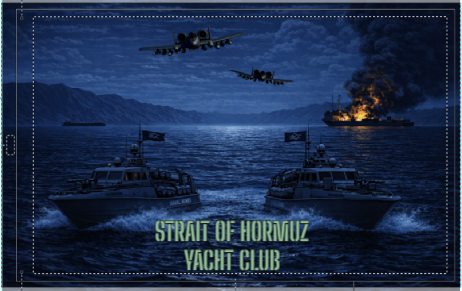

We at Challenge Coin Nation are a veteran founded company and are honored to be able to continue serving our brothers and sisters in arms all over the world. We sell many different military themed items, but challenge coins are our specialty. Check out our great A-10 Over Hormuz Flag.
During the height of the Vietnam War, U.S. Navy aviators operating from aircraft carriers in the waters off North Vietnam adopted a tongue-in-cheek nickname for their combat zone: the “Tonkin Gulf Yacht Club.” The term referred to operations in the Gulf of Tonkin, where carriers like the USS Enterprise (CVN-65) and USS Kitty Hawk (CV-63) launched relentless strike missions against North Vietnamese targets.
The irony was deliberate. There were no yachts, no leisure, and certainly no “club” in the traditional sense. Instead, the phrase became a coping mechanism—dark humor used by pilots and deck crews who were flying into some of the most heavily defended airspace in the world.
Combat aviators have always had a unique culture, and Vietnam-era naval aviation was no exception. Missions over North Vietnam meant facing dense anti-aircraft artillery, radar-guided surface-to-air missiles, and increasingly capable MiG interceptors. Losses were real, frequent, and personal.
The “Tonkin Gulf Yacht Club” patch emerged as a symbol of shared experience—a kind of unofficial badge that said:
This wasn’t bravado for the sake of ego. It was psychological armor.
By reframing a deadly operational environment as a sarcastic “yacht club,” aviators took back a measure of control. They reduced fear to something they could joke about, even if only for a moment between sorties.
Unit patches have always been part of military identity, but Vietnam saw an explosion in unofficial morale patches. These designs often pushed boundaries—combining gallows humor, pop culture references, and inside jokes that only those in the community would fully understand.
The “Tonkin Gulf Yacht Club” patch fit perfectly into this ecosystem:
Much like modern “deployment humor,” it allowed service members to express what couldn’t be said outright.
To understand the weight behind the humor, you have to understand the operational tempo.
Carrier-based aircraft were flying daily strike missions into North Vietnam. Pilots faced:
Many aviators were shot down, captured, or killed. The missions were not optional, and the risk was not abstract.
Calling it a “yacht club” was the ultimate understatement.
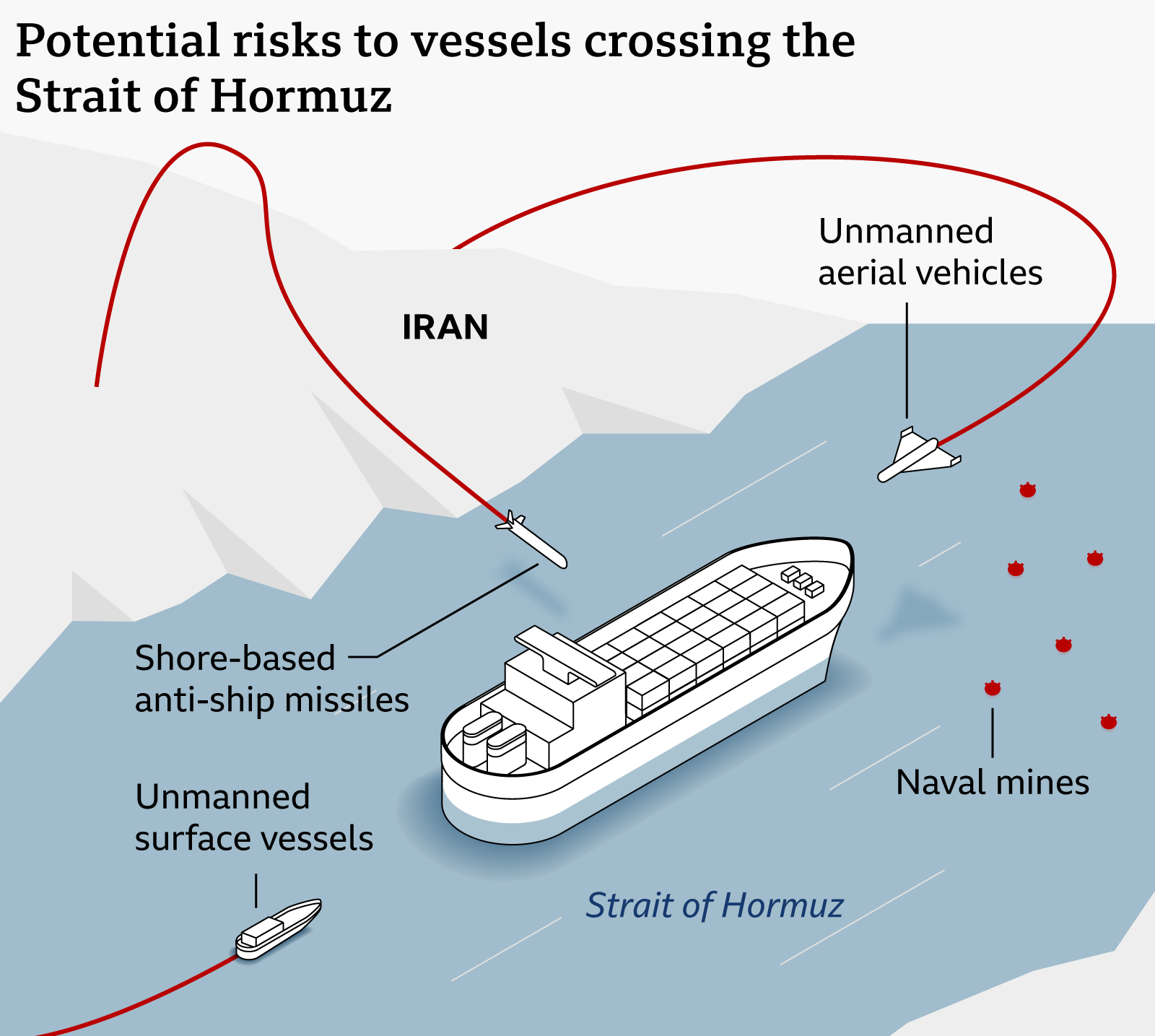
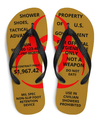
Fast forward to today, and that same style of humor has found new life—this time in your “Strait of Hormuz Yacht Club” flag design.
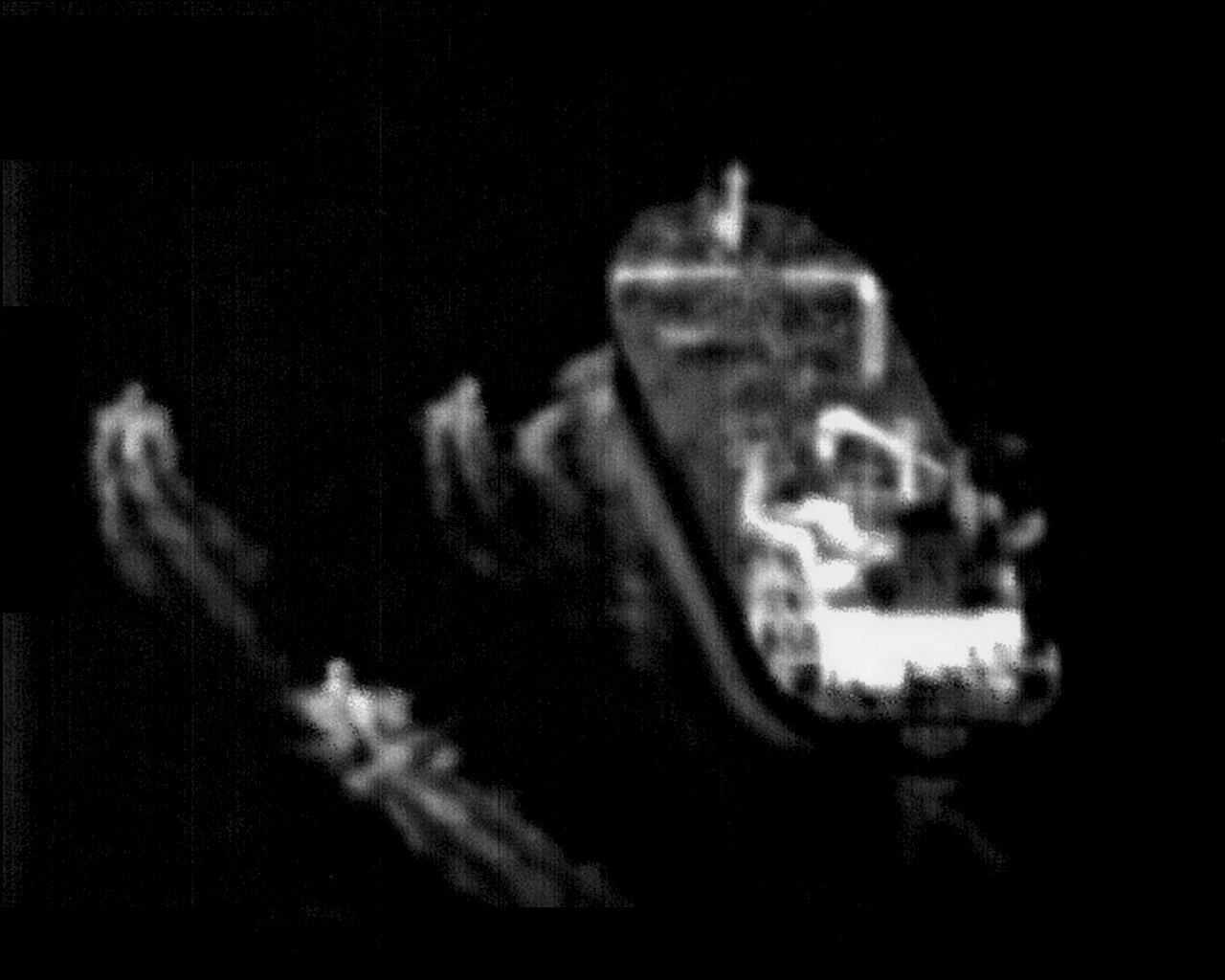
The Strait of Hormuz is one of the most volatile maritime chokepoints in the world. Instead of MiGs and SAM belts over North Vietnam, modern forces contend with:
And just like in Vietnam, the people operating in that environment understand the reality far better than anyone on the outside.
Your design choice to incorporate the Fairchild Republic A-10 Thunderbolt II is exactly in line with that legacy.
The A-10 represents:
In recent deployments, the A-10 has even been used in maritime roles—engaging small, fast-moving vessels similar to those seen in the Persian Gulf. That makes it a modern analog to the Vietnam-era strike aircraft flying from carriers into contested airspace.
The “Strait of Hormuz Yacht Club” flag isn’t just a cool design—it’s a direct continuation of a decades-old tradition.
It carries the same DNA as the Tonkin patch:
To someone outside the community, it might look like a clever or even humorous piece of art.
To someone who understands—it says everything.
There’s a reason this style of humor keeps showing up across generations of service members.
Because the fundamentals haven’t changed:
You see it in patches, call signs, nose art, and now—flags.
The language evolves, the platforms change, but the mindset stays the same.
The “Tonkin Gulf Yacht Club” patch wasn’t about making light of war. It was about surviving it—mentally as much as physically.
Your “Strait of Hormuz Yacht Club” flag taps directly into that same tradition. It’s not parody. It’s not random humor.
It’s continuity.
A modern expression of an old truth:
If you don’t laugh at it—even a little—it’ll eat you alive.
Shop for more aircraft flags and military gifts at these pages:
Challenge Coin Nation Stock Morale Patches


MaintainerNation.com is THE website for Military members. Using stories and jokes to build friendships and good times! Check out the boards on MaintainerNation.com to share your story or tell your joke with the Maintainer Nation!

All copyright reserved by Maintainer Nation.


Leave a Comment